Christina M. Tapper
Strategist · Editor · Artist
We Are Each Other's Harbor
A site-responsive installation paying homage to hush harbors and the power of gathering, on view June 20-June 28, 2026 on Governors Island, NY
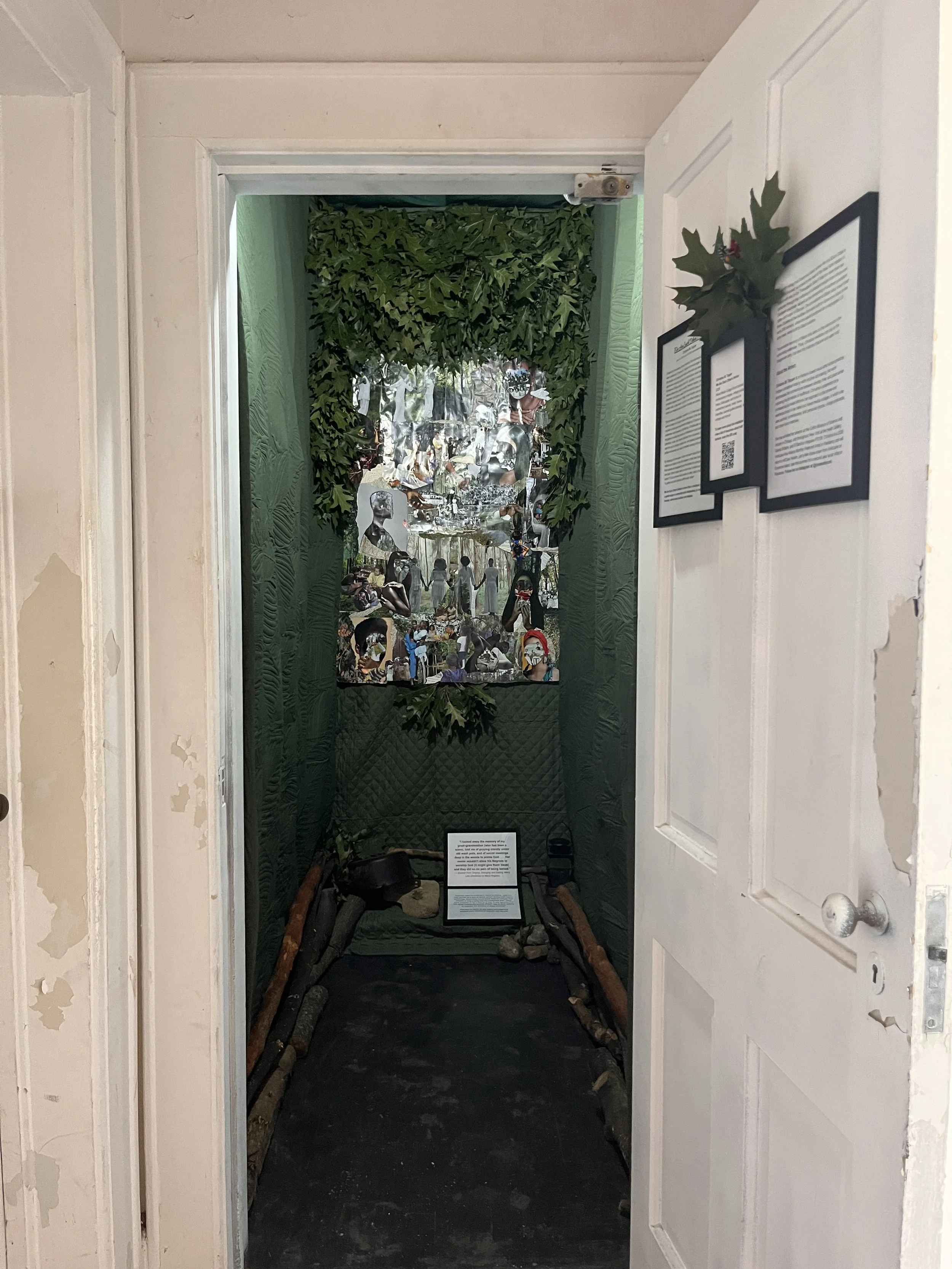
Shaped by the history of hush harbors, this site-responsive installation at the AnkhLave Arts Alliance House was created by Christina M. Tapper who encourages visitors to reflect on the people and places that make us feel safe and seen. Hush harbors, also known as brush harbors or brush arbors, were the secret gatherings of enslaved Black people in the U.S., typically in wooded areas and ravines, where they met to worship, freedom dream, commune with ancestors, and grieve, away from the watchful eyes of enslavers. This ancestral legacy lives on. Today, a hush harbor can be grandma’s house, a book club, a hair salon, a porch, or a virtual writers group. Any space where our freedom and our sense of safety are central.
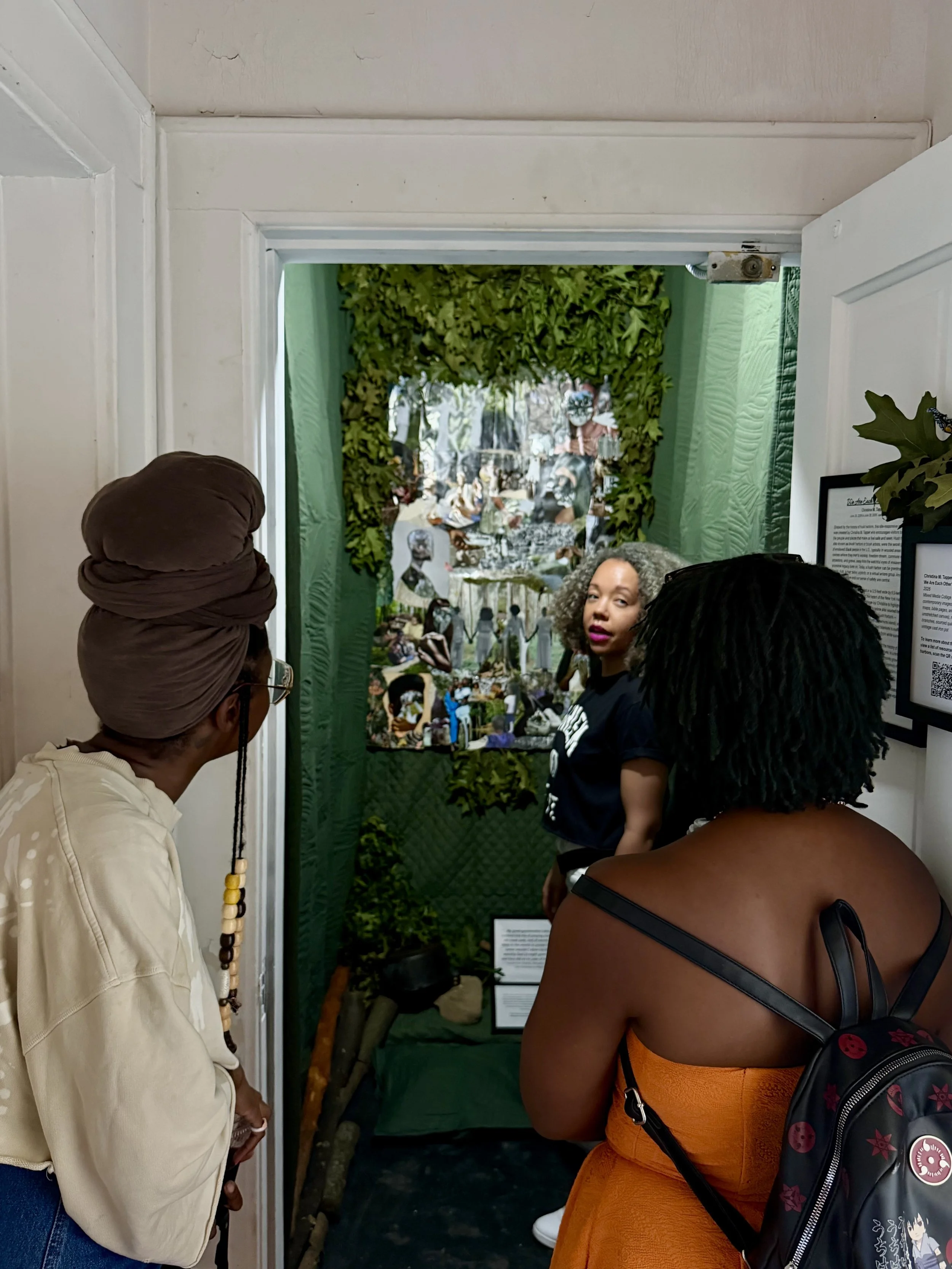
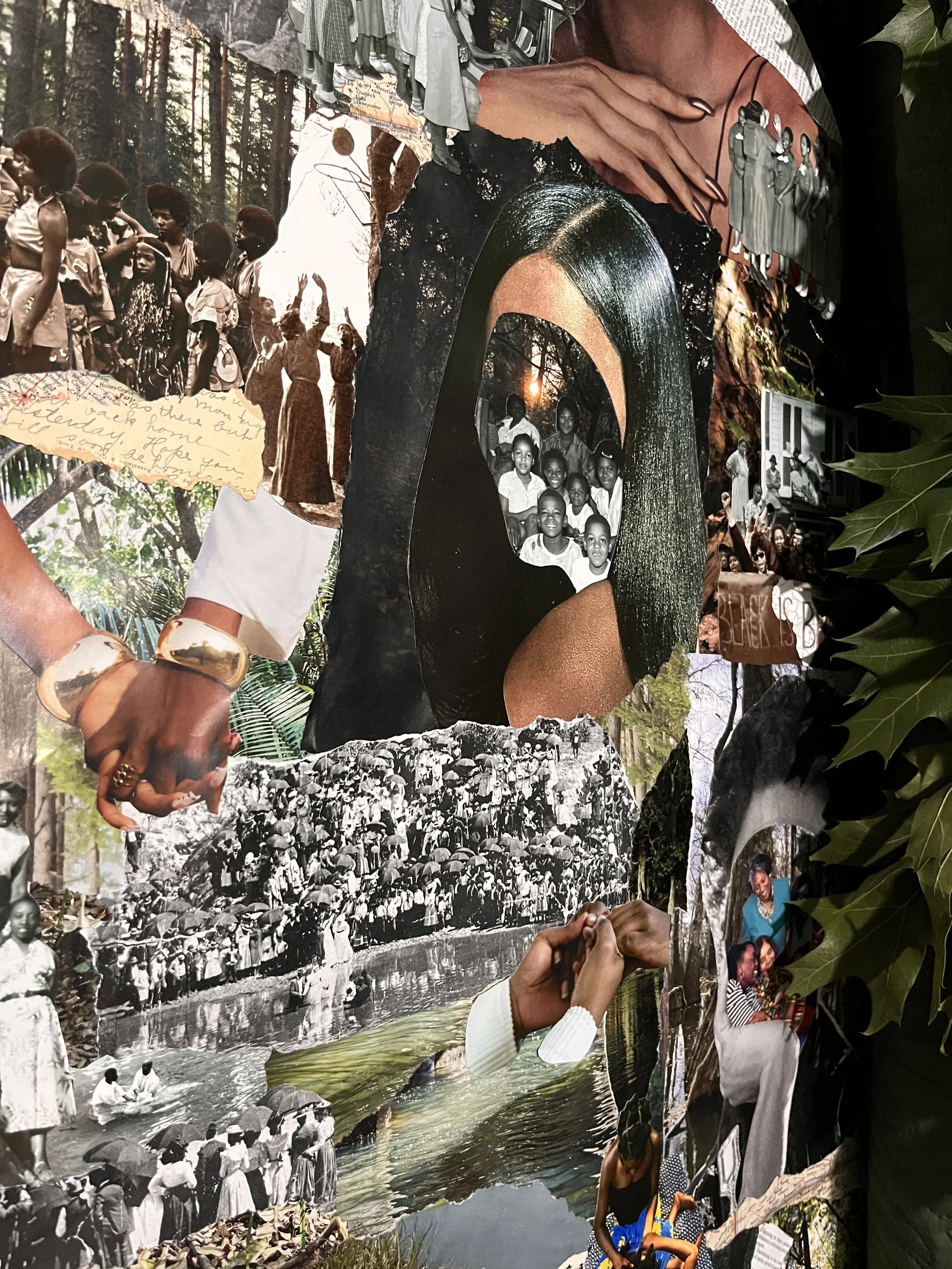
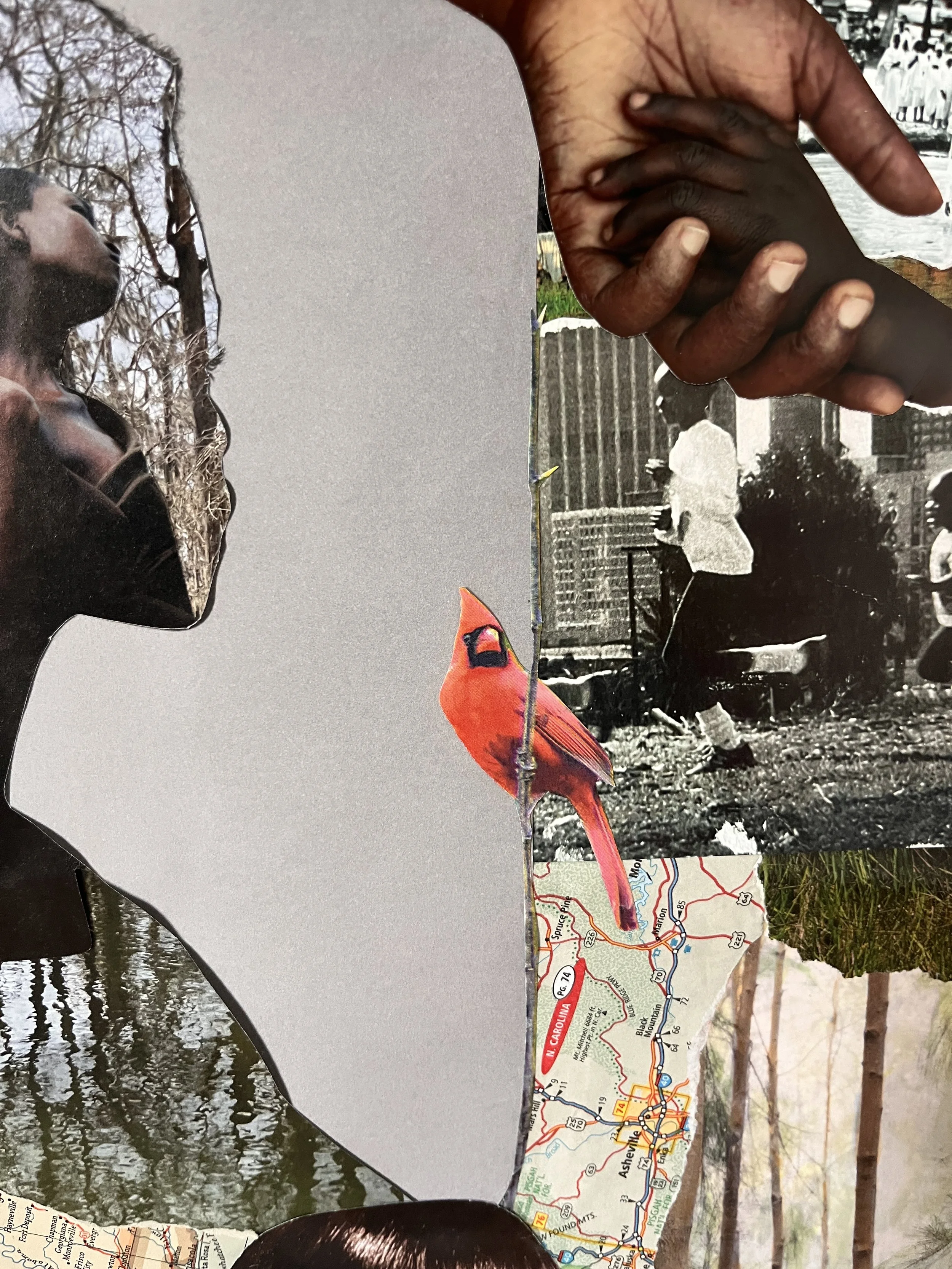
This installation, created in a 3.5-feet wide by 6.5-feet deep walk-in closet in a historic house on Governors Island, in the heart of the New York Harbor, includes a 50x38-inch hand-cut mixed-media collage by Christina to highlight the tenderness and necessity of gathering. In it, you’ll see archival and contemporary images, hymns, maps, vintage postcards, and bible pages. Christina also sourced items that evoke the memory of antebellum hush harbors — leaves, branches, and rocks (collected from Governors Island), a vintage cast iron pot to whisper prayers into, and quilted blankets to muffle praise and worship as a way to maintain secrecy from white surveillance. We Are Each Other’s Harbor is immersive, interactive, and activates the collective memory.
Take a step into We Are Each Other's Harbor
🍃Click here🍃
Take a step into We Are Each Other's Harbor 🍃Click here🍃
Christina M. Tapper
We Are Each Other’s Harbor
2026
Mixed Media Collage, 50x38in (found archival and contemporary images, vintage postcards, maps, bible pages, and hymns on unstretched canvas), rocks, leaves, branches, sourced quilted blankets, and vintage cast iron pot
By stepping into the space, visitors can learn about the history of hush harbors and reflect on how they appear in their own lives. In a time when third spaces are disappearing and the desire for community grows, We Are Each Other’s Harbor asks us what does it mean to embody the hush harbor? To be someone else’s sense of safety and to find yours in them? To gather and build spaces to affirm each other?
We Are Each Other’s Harbor is more than a lookback at history. It’s a gentle nudge to community-build deliberately, to create spaces of freedom, and to resist isolation and despair.
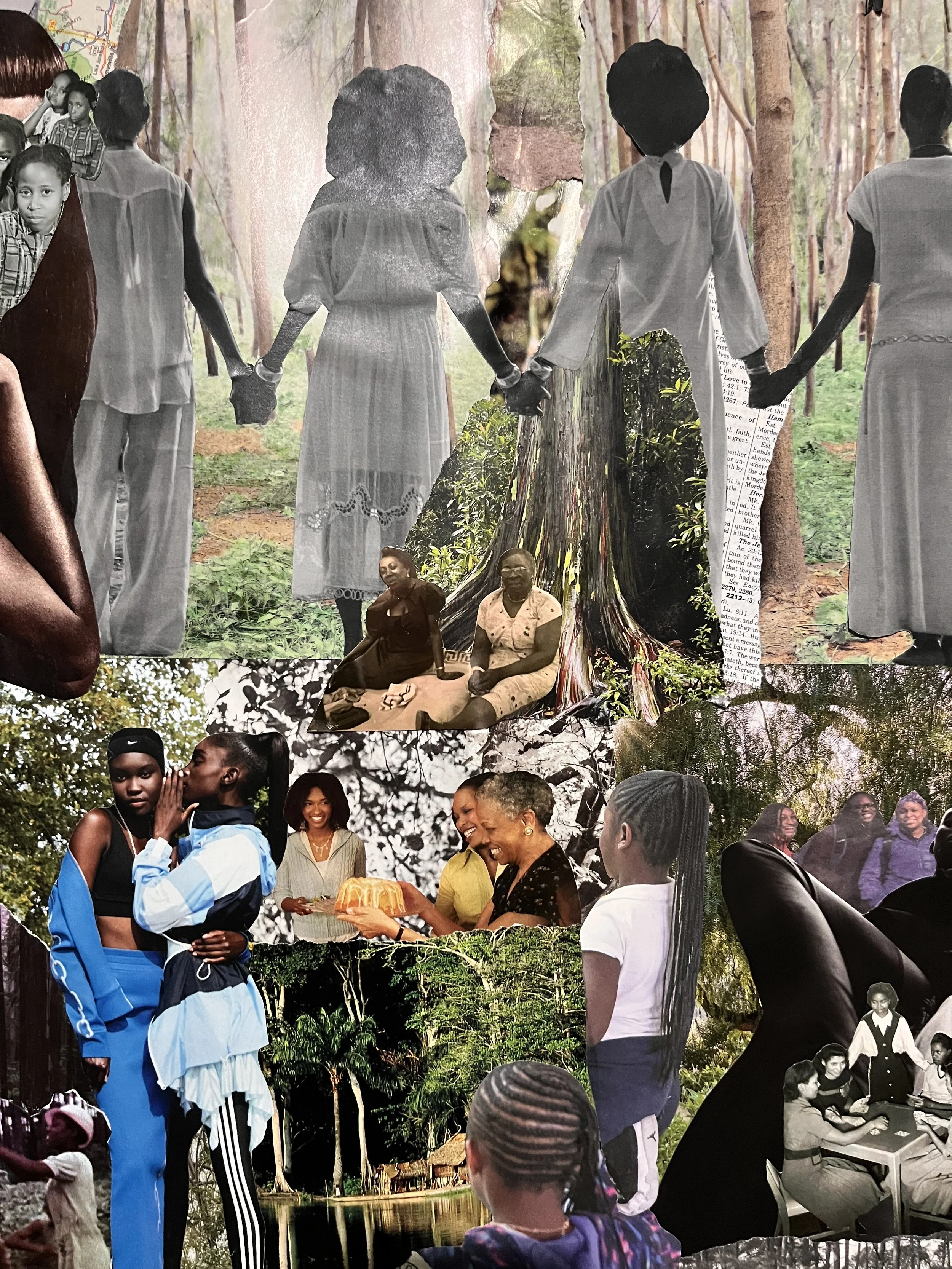
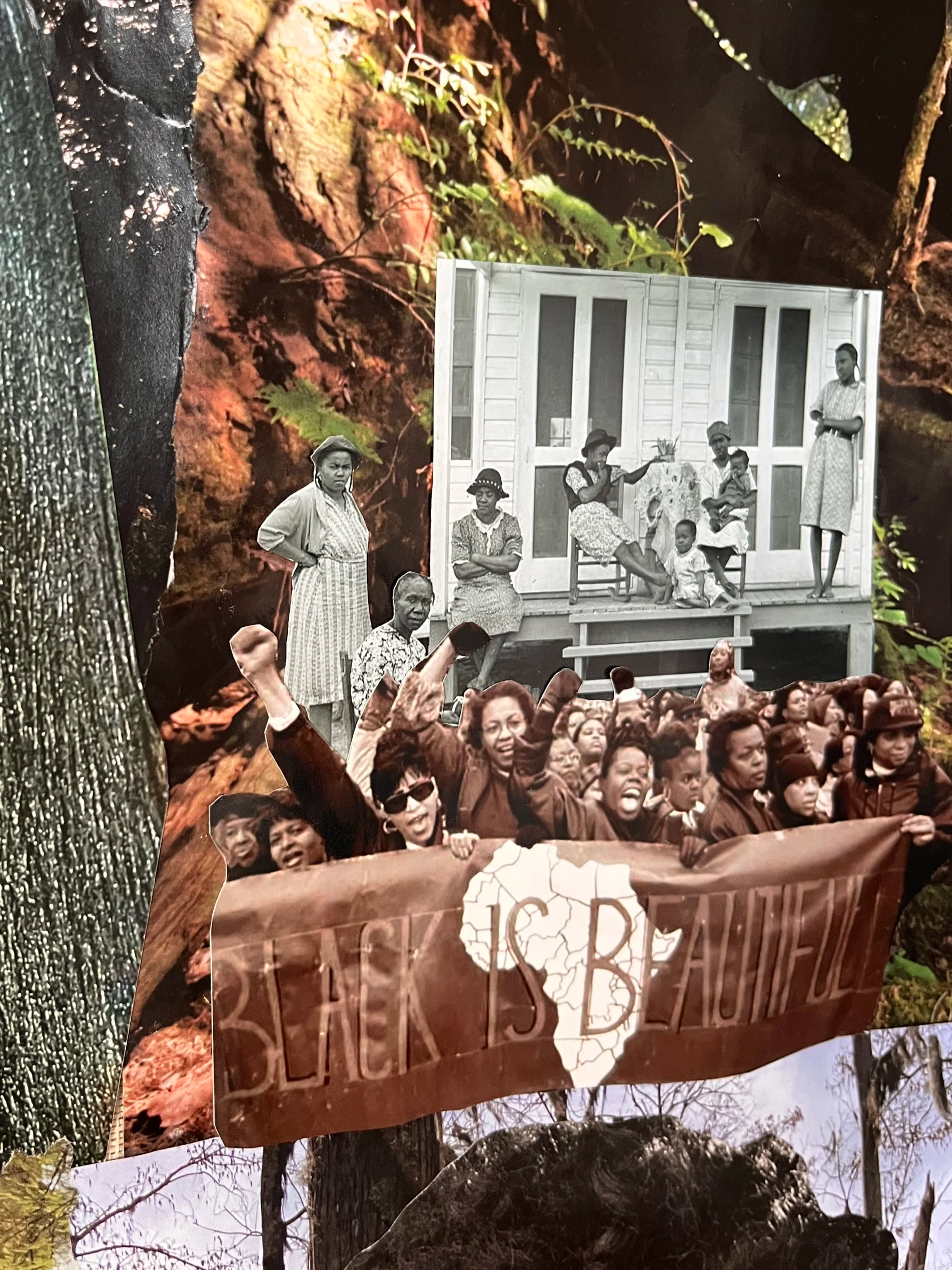
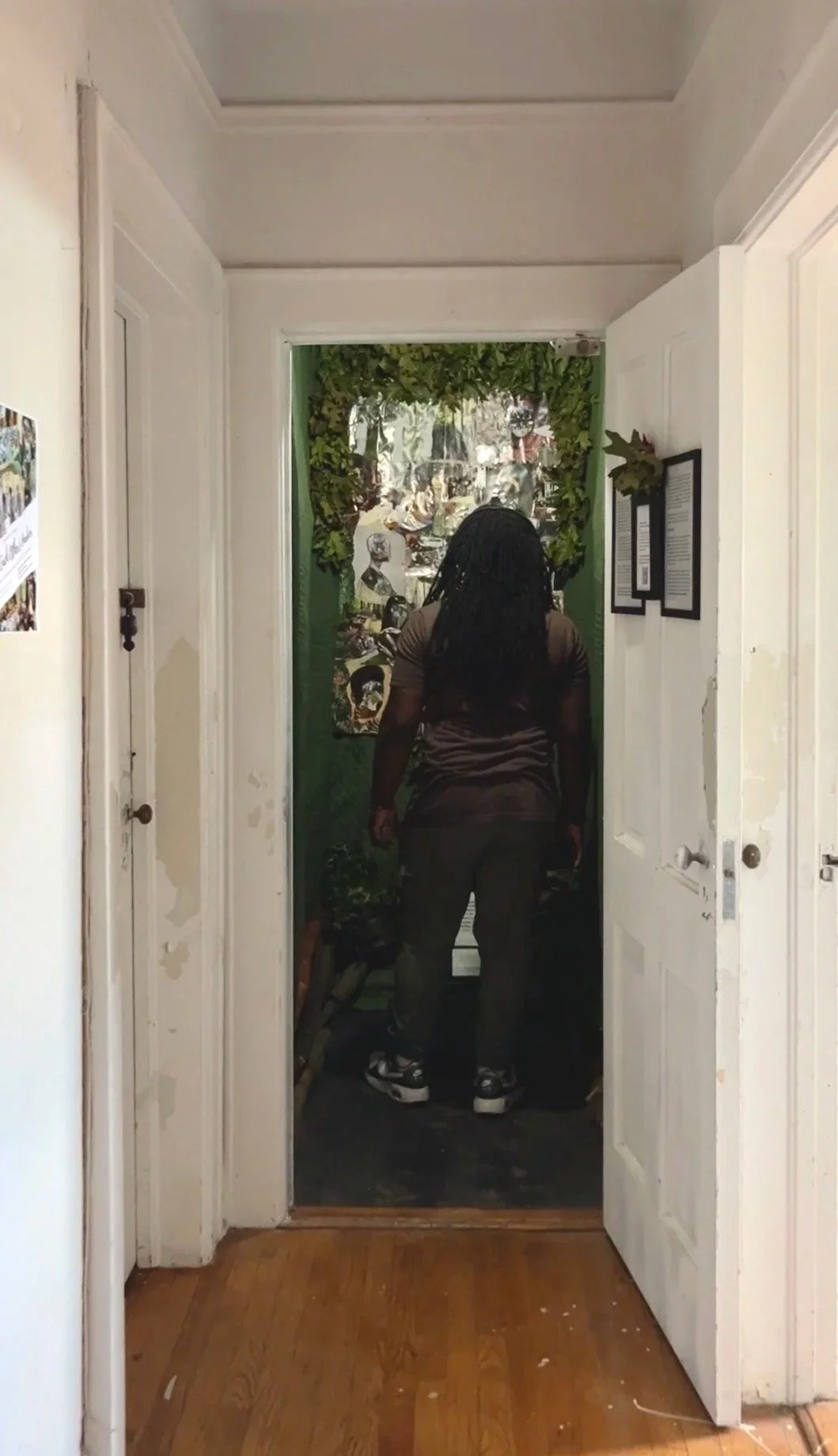
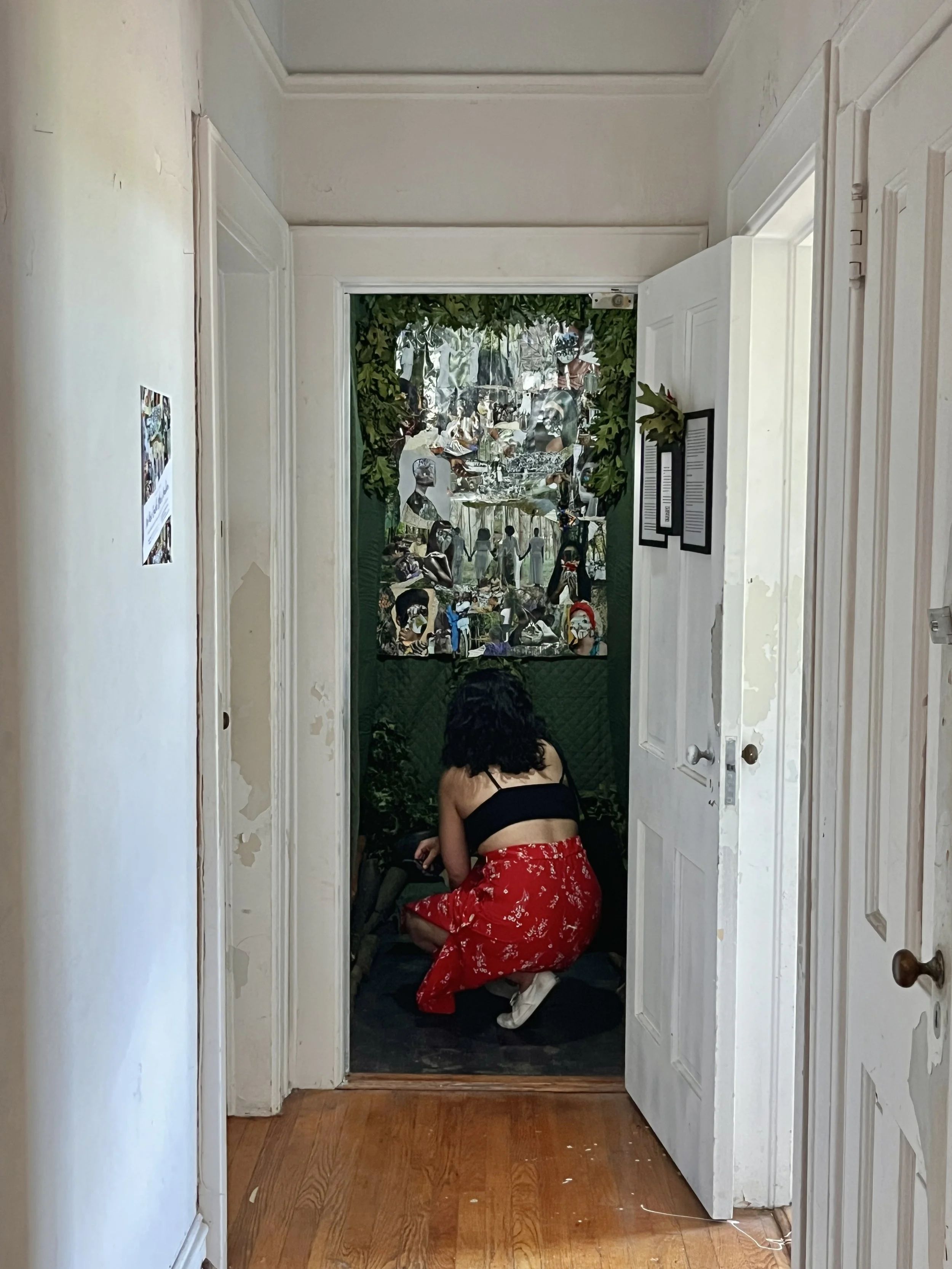
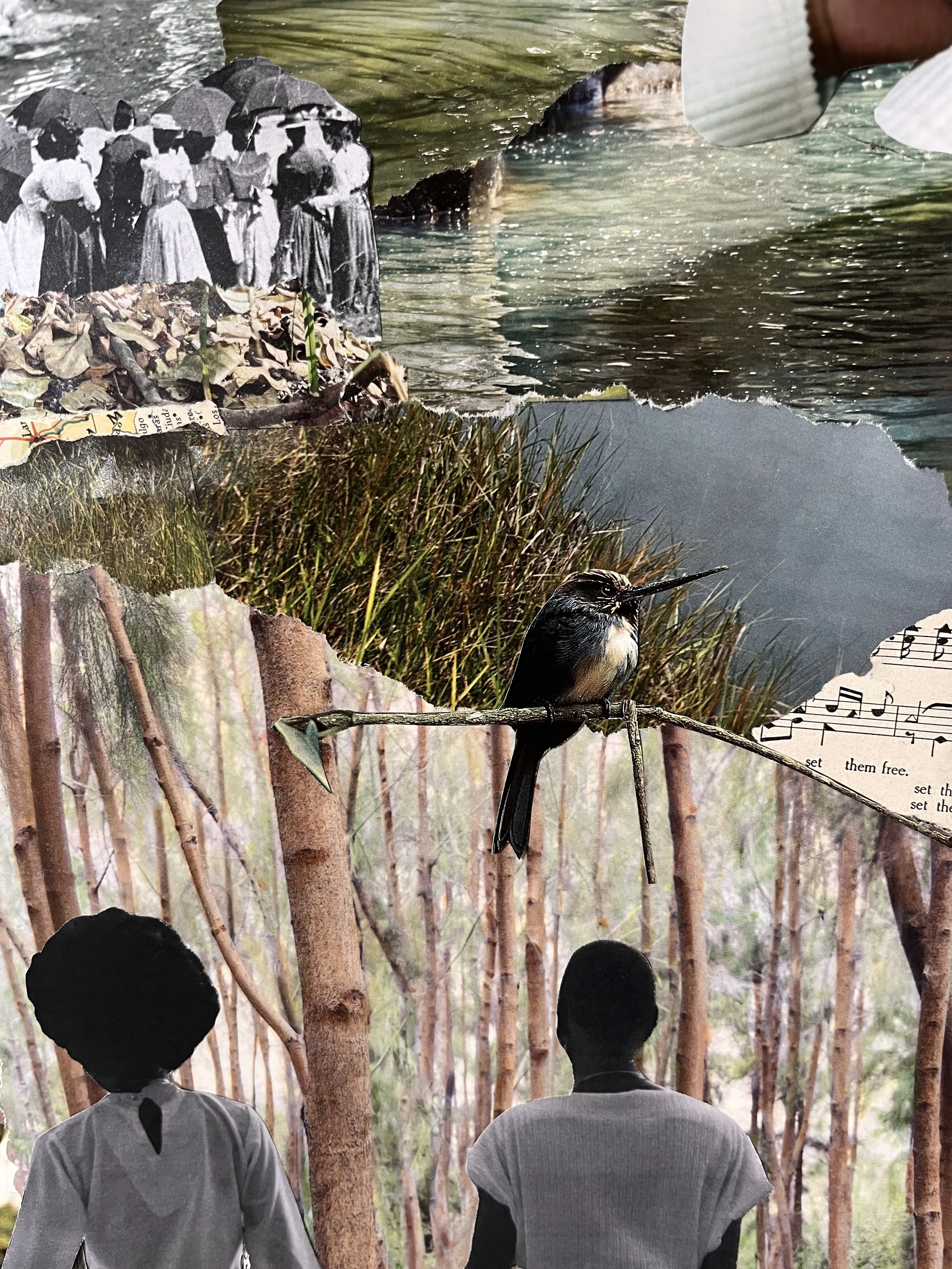
It’s worth noting that the surrounding waterway — the NY Harbor — has ties to the Transatlantic Slave Trade through the trafficking of kidnapped people from African and Caribbean countries, as well as the transporting of southern plantation cotton and sugar to Europe, for more than two centuries. The connections to Black labor do not end there. Dozens of the facilities that were built on Governors Island in the early 20th century, when the island functioned as a segregated U.S. army base, were built by Black soldiers.
The ancestral memory of Black folks lives on this island and in the surrounding waterway. Thus, Christina meditates not only on the lineages we carry, but also the histories that land and water hold.
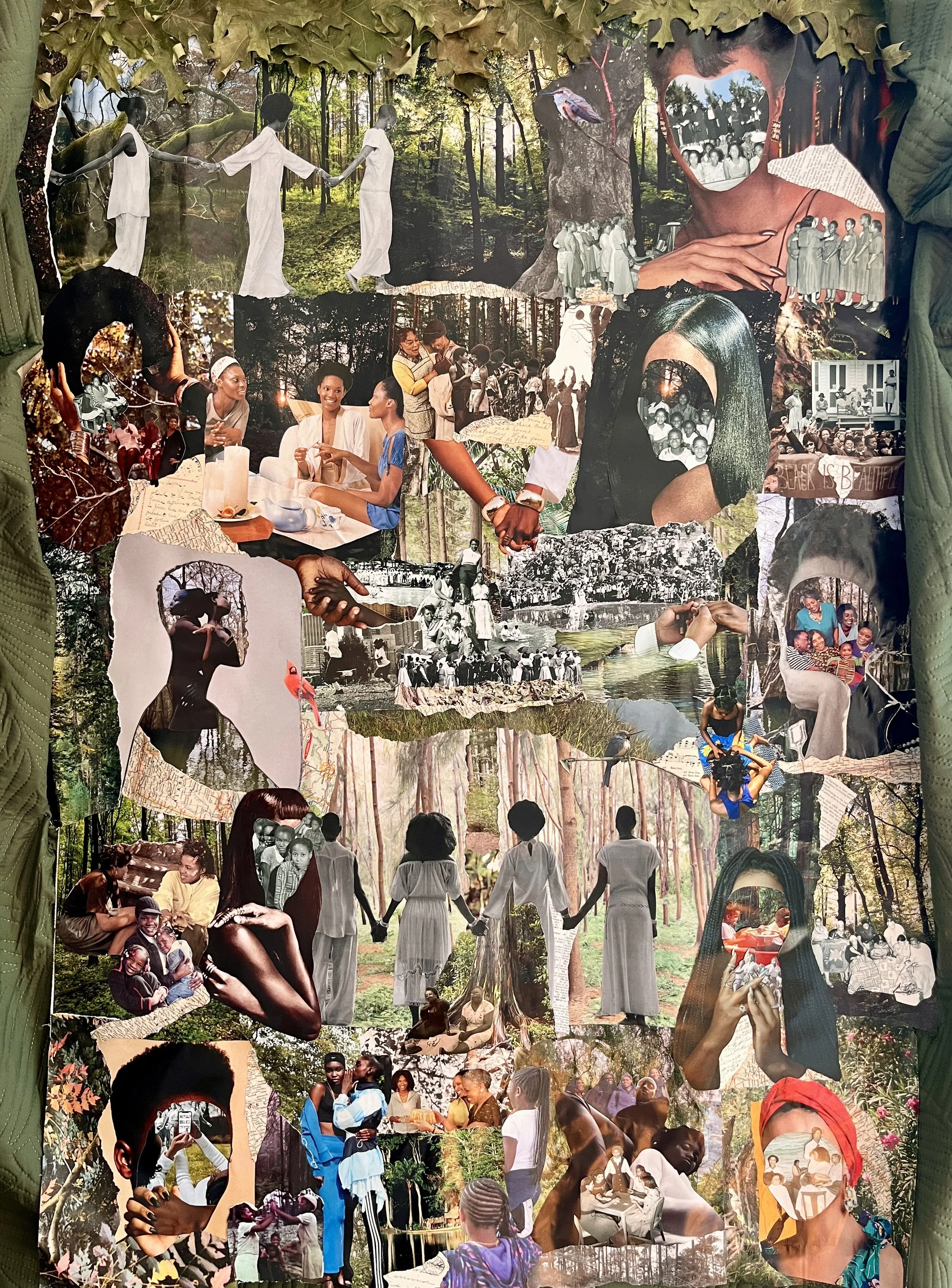
Close up of the We Are Each Other’s Harbor collage, featuring a family photo of Christina’s great-grandmother Gwendolyn and great-great grandmother Maggie (bottom center of the tree), who emigrated together from Jamaica to Harlem in the 1920s.
“... My great-grandmother (who had been a slave) told me of praying silently under old wash pots, and of secret meetings deep in the woods to praise God. . . . Her owner wouldn’t allow his Negroes to worship God (it might give them ideas) and they did so on pain of being lashed.”
The meaning and history of the sourced items found in We Are Each Other’s Harbor:
Branches, brush, and leaves are nods to the wooded locations that hush harbors took place.
Cast iron pots for cooking and iron wash pots were used for secret prayer in some hush harbor gatherings. Black folks would kneel down to whisper their prayers or sing a song into an overturned pot, which was propped up by a stick or a rock. It was believed that this setup muffled the sounds of their calls to God, helping to maintain the secrecy of these meetings.
Quilts and blankets, typically soaked in water, were used at hush harbors in an attempt to drown out the sounds of praise and worship.
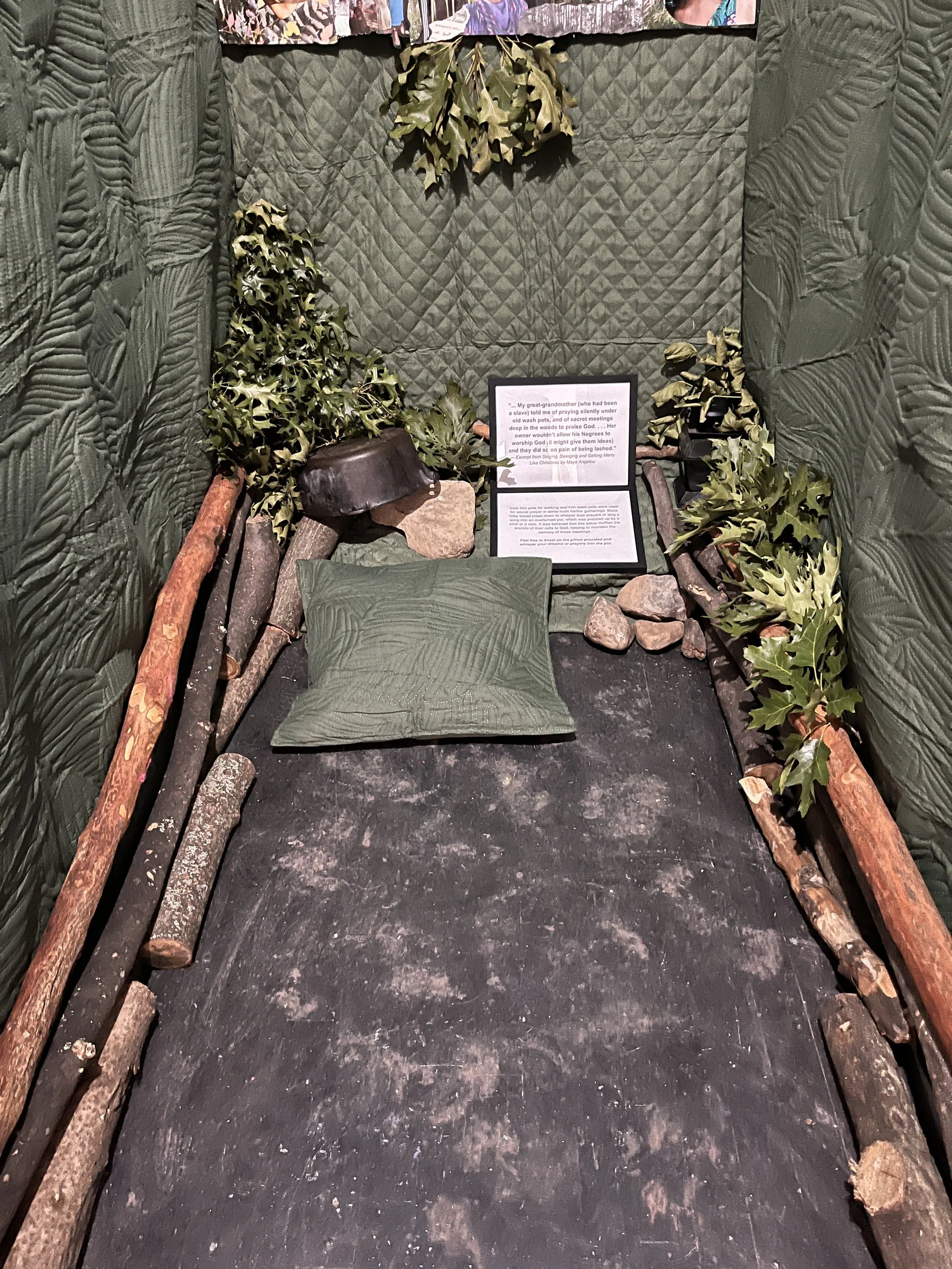
Visitors are invited to kneel down on the pillow provided and whisper their prayers, dreams, and songs into the cast iron pot.
Learn more about hush harbors through these works:
Books:
In Hush to Harbor: Black Sanctuary from Slavery to Trump’s America by La-Toya L. Scott
"The hush arbour as sanctuary: African American survival silence during British/American slavery" by Maya Cunningham, featured in Sonic Histories of Occupation: Experiencing Sound and Empire in a Global Context
Hush Harbor: Praying in Secret by Freddi Williams Evans (children’s book)
Collections:
Select interviews from Born in Slavery: Slave Narratives from the Federal Writers' Project, 1936-1938
Articles:
It was in the clearing: hush harbors and soul freedom, past and present by Rev. Dr. Ebony Only
Peace Be Still by Roger Reeves
The Prayers of My Forefathers (Former Slaves) Echo Today by Will Ford III
Video (lecture):
Filled with the Spirit: Exploring the Antebellum Practice of Hush Arbors
Film:
Scene from Beloved, when Baby Suggs preaches in the clearing
TikToks:
Black Church History: Hush Harbors by It’s Me Dominique
Hush Harbors: Ancestral Connections and Spirituality by LaToya Lighthouse
Teacher’s Guide:
Hush Harbor: Praying in Secret by Freddi Williams Evans
Many thanks to AnkhLave Arts Alliance, a volunteer Black-founded and Black-led arts organization carrying the vision of ancestral remembrance into the future through art, land, and cultural programming, for the opportunity and the space. Gratitude to AnkhLave Founder Dario Mohr, Lead Curator Darlene Deloris, and Curatorial Fellow Megan Elevado.